Standing All Day at Work

Valentine’s Day is coming up soon which means a lot of standing at my job. I’ve been at my job for over a year. I stand all day every day. My previous job I sat all day every day. It took me awhile to get used to. I took some advice from fellow coworkers and friends that were required to stand, nurses, wait staff, etc. One suggestion was getting insoles for my shoes to help with arch pain or planter fasciitis.

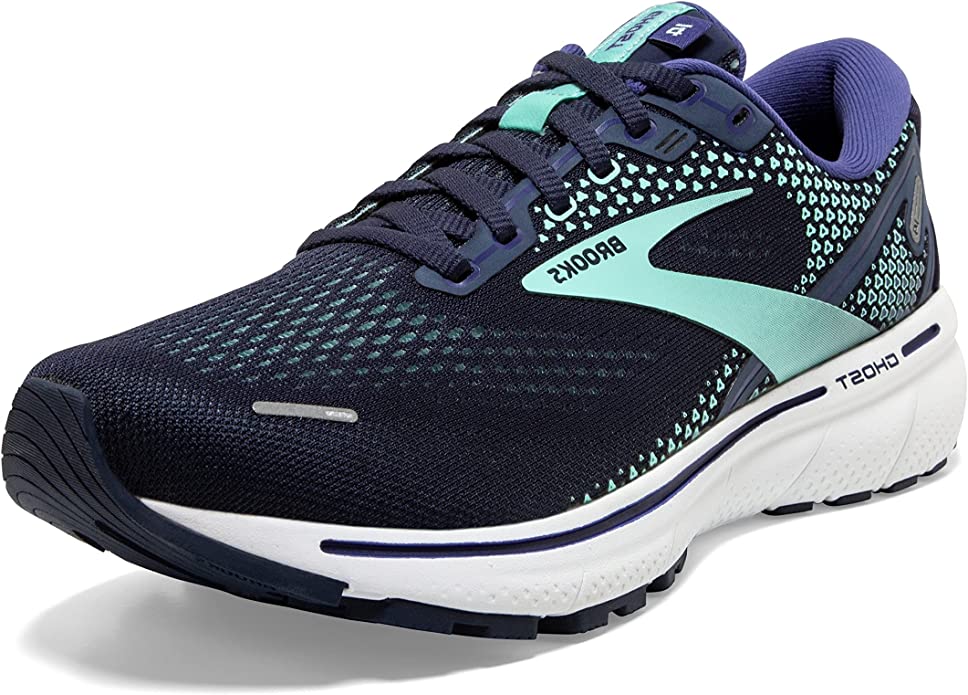
It was recommended to try Crocs work clogs. I tried them and liked wearing them. After a few months my ankles would roll a bit while wearing them. So, I decided to go with Brooks sneakers, also recommended. I bought this pair last year in February and love them. I am ordering my second pair soon.
My previous job was mostly sitting but after a year I bought a standing desk and needed something to stand on. I purchased a mat for standing all day. I brought this into my new job as a second mat. There is a large rubber mat in place already but does not give much support. Highly recommend one of these.

I have a mat, good shoes, now what? Socks! I started buying Bombas Socks. These are a bit pricey but totally love them. Super comfortable.

Standing all day is not fun but trying new ways to be comfortable is worth it. I will be getting a new mat, new sneakers and insoles for my shoes.


Do you stand or sit all day? What tips do you have?

Anne

Anne

I'm a mother of 2 who likes to get involved in too much! Besides writing here I started a non-profit, I'm on the PTO board, very active in my community and volunteer in the school. I enjoy music, reading, cooking, traveling and spending time with my family. We just adopted our 3rd cat and love them all!

More Posts

Delicious Breakfast Recipes for the Non-Breakfast Lover

Do you dread making breakfast every morning? Are you one of those people who just doesn’t like breakfast foods? Well, have no fear! This blog post will give you some breakfast tips that will change your mind about this particular meal. So whether you’re a sweet tooth or a savory lover, there’s something here for everyone!

via Pexels


1) Work with ingredients you love

If you love working with ingredients, breakfast is a great place to start. Choosing fresh, seasonal ingredients can be an enjoyable experience that adds flavor and texture to any meal. Consider shopping at local farmers’ markets for the freshest produce or seeking out organic sources at health food stores – either way, you can be sure you’re getting high-quality ingredients. You can also opt to buy pre-made or frozen items like smoothie packs or oatmeal cups to help streamline the process.

When it comes to recipes, look for ones with fewer ingredients and steps that won’t take long to prepare. This way you get tasty results without spending a lot of time in the kitchen. Additionally, try experimenting with different flavor combinations and spices, such as adding nutmeg or cardamom to your oatmeal or using honey instead of sugar in your pancakes.

Finally, don’t be afraid to get creative when creating new breakfast dishes! Consider combining unlikely ingredients like sweet potatoes and eggs in a frittata or making breakfast burritos with scrambled eggs and black beans for a more savory option. And why not top it all off with some fresh fruit for added nutrition? Whatever your breakfast preference is, there are many delicious ways to enjoy this important meal every morning!

2) Make it the night before

If you’re not a morning person and prefer to sleep in, try prepping your breakfast the night before. This can be as simple as making overnight oats or chia pudding for a grab-and-go option. You can also make savory dishes like frittatas or quiches that can easily be reheated in the morning.

Having a time-saving plan will help you stay motivated to prepare something when you don’t feel like cooking. Plus, if you make enough food ahead of time, you can freeze individual portions and have ready-to-eat meals at your disposal all week long!

3) Get creative with leftovers

Leftovers are one of the easiest ways to get breakfast on the table quickly. Whether you have leftover grains, vegetables, proteins, or even sauces from dinner the night before, all of these can easily be turned into tasty breakfast dishes.

For example, try cutting up roasted potatoes and caramelizing them in a skillet with onions and garlic for a savory breakfast hash. Or, if you have extra grilled chicken from last night’s meal, mix it together with scrambled eggs and cheese to create an easy strata that can feed a crowd. You could also learn how to make omurice using leftovers! The possibilities are endless when it comes to transforming leftovers into delicious breakfasts.

No matter what your breakfast preferences are, there are plenty of ways to get creative and make delicious meals that you’ll love. Try using some of these tips to give your mornings a tasty boost!


Anne

Anne

I'm a mother of 2 who likes to get involved in too much! Besides writing here I started a non-profit, I'm on the PTO board, very active in my community and volunteer in the school. I enjoy music, reading, cooking, traveling and spending time with my family. We just adopted our 3rd cat and love them all!

More Posts

From Warm-Up to Cool-Down: The Ultimate Guide to Exercising Safely

When you’re working out, it’s important to make sure you’re taking care of your body. Not only will this help you stay safe and healthy, but it will also help prevent injuries. That’s why this blog post will discuss the best way to warm up and cool down before and after exercise. We’ll also cover some other safety tips that everyone should know when they hit the gym or go for a run. So whether you’re just starting out or you’ve been exercising for years, read on for the information you need to stay safe while getting fit!

via Pexels


1) Start with a Warm-Up

Warming up before exercise is essential to help prepare your body for physical activity and prevent injuries. Start with light stretching or a short walk, then gradually increase the intensity of the activity until you’re ready to begin. This means jogging, skipping, jumping jacks, or anything else that gets your heart rate up and increases blood flow. Warming up also helps to improve range of motion in your joints by increasing flexibility and can help reduce muscle cramps.

Additionally, it gives you time to mentally prepare for your workout and get into the right headspace. In general, warm-ups shouldn’t last more than 10-15 minutes but should be tailored based on the type of activity you plan to do; for example, running will require a longer warm-up than weightlifting. Finally, make sure to properly hydrate before exercising as this will help keep your muscles lubricated and reduce fatigue as well as risk of injury while performing strenuous activities. Speaking of muscles, if you have an injury, be sure to use kinesio tape to prevent and further harm while exercising.

2) Cool Down After Exercise

Cooling down after exercise is just as important as warming up. This helps your body slowly transition from intense physical activity to rest, allowing for a gradual decrease in heart rate and blood pressure. It’s also an effective way to reduce muscle soreness and fatigue, as it allows the metabolic wastes that have built up during exercise to be removed from the muscles. 

Cool-downs usually involve light stretches or walking at a slower pace than before; however, the type of cool-down you do will depend on the type of exercise you performed—typically stretching is best after weightlifting or aerobic activities such as running or cycling.

3) Take Regular Breaks

When working out, make sure to take regular breaks to prevent overworking your body. This means taking short pauses throughout your workout and allowing yourself time to rest in between sets or exercises. 

Not only will this help you stay focused on the task at hand, but it will also give your muscles time to recover from the activity so you can power through without feeling too fatigued or sore afterward. Additionally, schedule regular days off of exercise each week; this gives your body an opportunity to recover and rebuild muscle strength as well as reduce risk of injury due to overtraining.

In conclusion, exercising safely is essential for everyone. Taking the time to warm up, cool down, and take regular breaks throughout your workout will help ensure you stay safe and healthy while still getting in a great sweat session. So get out there and start breaking a sweat—just make sure to do it the right way!

Anne

Anne

I'm a mother of 2 who likes to get involved in too much! Besides writing here I started a non-profit, I'm on the PTO board, very active in my community and volunteer in the school. I enjoy music, reading, cooking, traveling and spending time with my family. We just adopted our 3rd cat and love them all!

More Posts

Guaranteed Ways to Boost Customer Data Security at Your Business

CC0 Licensed Image Courtesy of Pexels

Online data theft is a massive problem these days. And as a small business, you won’t recover from the fallout. For example, the average cost to recover a data breach is around $108,000 for a business in the United States. So, here are some ways to boost customer data security.

Use a Reliable Payment Processor

Don’t overlook the importance of a reliable payment processor. These companies handle the transactions between your business and the client’s bank. But some are not as reliable as others, and there are even some corrupt ones out there. Payment processing for your eCommerce store should provide a secure payment gateway. There are obvious ones like Stripe. But companies like Humboldt specialize in eCommerce retail processing services.

Don’t Store Sensitive Data

People often think that cybercriminals like to steal money, but that’s not true. But that’s not really true. Data is what they steal instead. They want personal financial data so they can offload it on the dark web. This includes information about customers from companies that need it for paying or credit searches. Examples are names, addresses, and bank details. So, you shouldn’t store this type of data, and it’s against the law to do so. Your payment processor handles this data.

Boost Customer Data Security with SSL

Securing your website is a vital tool to stop criminals from taking advantage of online transactions. All online transaction systems require you to put a Secure Sockets Layer (SSL) certificate on your eCommerce or business site. If your site is SSL encrypted, your URL will start with “HTTPS,” and a padlock icon will appear. Ask your web hosting provider or the people in charge of your site about this. Having a secure site can also help boost your organic traffic.

Offer Multiple Ways to Pay 

Even though digital wallets are a modern convenience, they are very safe. With PayPal, Venmo, and Stripe, you can move money from your bank account to an eWallet. Digital wallets are another way for customers to pay you. By only taking digital wallets, you can give your customers more security. Digital wallets are encrypted, and there are many ways to make sure a transaction is safe. Not the least of which is having a smartphone that is registered.

Allow Access to Authorized Employees

People who have access to sensitive information aren’t perfect, but they aren’t always bad. So, instead of giving all of your employees access to all of your customer data, it’s better to restrict what they can see. You should make sure they can get the information they require to complete their jobs. Aside from that, though, there is no incentive to provide them more. If financial data needs to be seen, only qualified people should be able to see it by means of access control.

Summary

You can and should find ways to boost customer data security at your business. If you don’t, the costs can be unrecoverable financially and reputationally. So, use a reliable payment processor, never store private data and restrict employee use of sensitive data with user access control.


Anne

Anne

I'm a mother of 2 who likes to get involved in too much! Besides writing here I started a non-profit, I'm on the PTO board, very active in my community and volunteer in the school. I enjoy music, reading, cooking, traveling and spending time with my family. We just adopted our 3rd cat and love them all!

More Posts

How To Choose The Right Caregiver For Your Loved One

Image Credit


According to a report by the Family Caregiver Alliance, approximately 34.2 million Americans have provided unpaid care to an elderly person in the last year. Choosing the right caregiver for a loved one can be a challenging task. No matter how difficult it can be, it is crucial to ensure they receive the best care. So, if you’re searching for the best caregiver for your elderly loved one, here are some things to look out for.

  • Assess their qualifications and experience

A qualified and experienced caregiver will have the necessary skills and knowledge to properly care for your loved one. They should have a background in healthcare, such as a nursing degree or certification in a related field. Additionally, they should have experience working with patients with similar medical conditions to your loved one. For example, if your loved one has dementia, it helps to look for a caregiver who has experience working with the same medical condition. Furthermore, when looking at qualifications, check if the caregiver has a valid license or certification that is up to date and not expired. It will help to find out if the potential caregiver has any continuing education courses planned. That may eat into their time and can hinder proper patient care. Aside from the qualifications and certifications, find out if they know basic caregiving skills, especially regarding mobility. Proper medication administration and knowledge of emergency procedures are also vital.

  • Check their references and background

References and backgrounds are among the top three things to do when searching for the best caregiver. A person’s past and work history can provide ample information on whether they are the right fit for the job. Clients who fail to do due diligence face problems with hired caregivers. Assuming you received a caregiver from a nursing home facility, only to realize that the organization failed to do their checks, you may ask yourself, can you sue a nursing home for neglect if the new hire causes harm? Yes, you can. Indeed, this is why references and background checks cannot be overlooked in situations like this one. You and your loved one will feel more at ease when you know who is coming to provide care services.

  • Consider their personality and communication style

You will feel most comfortable with a caregiver who can connect with your loved one on a personal level and communicate effectively with them. Someone who is patient, compassionate, and has a good sense of humor can make a big difference in your loved one’s overall well-being. The person you pick must communicate effectively with other care team members, including doctors and nurses. Usually, the best option is someone who is empathetic and can understand your loved one’s emotional and psychological needs. If your elderly loved one has challenges with their speech, the caregiver must be well-versed in picking up on body language and nonverbal cues. The more pleasantly varied their communication style is, the happier you will be in choosing the right person.

Anne

Anne

I'm a mother of 2 who likes to get involved in too much! Besides writing here I started a non-profit, I'm on the PTO board, very active in my community and volunteer in the school. I enjoy music, reading, cooking, traveling and spending time with my family. We just adopted our 3rd cat and love them all!

More Posts