Tips For Running a Sustainable Small Business

Credit.

If you’ve started a business at home, then you might be concerned about how you can maintain an eco-friendly lifestyle while working. The good news is that working from home can already be a more sustainable option, especially if you consider the fact that you cut down on the commute to and from work.

However, there is always room for improvement and always a good reason to improve how environmentally friendly you are, whether you’re at work or relaxing. Here are some ways to do so.

Use Natural Light Where Possible

When you’re working, it’s important to make sure that you’re in a well-lit environment. This is better for your productivity and your health. Sitting at a bright laptop in a dark room can lead to eye strain, as can trying to work in dim environments.

However, bright lights can increase your energy usage. One way to get the best of both worlds is to take advantage of natural light. If possible, work near windows and in bright areas of your home, allowing you to cut down on the need to switch the lights on. It’s also better for your health, as most people feel better in sunlight.

Sustainable Packaging

If your business involves creating and sending products to customers, then you can immediately improve your sustainability by switching out the packaging. If possible, use less packaging. You should also switch out plastic packaging for recyclable or biodegradable materials, like paper or cardboard.

Instead of bubble wrap or polystyrene, use biodegradable packing materials, such as paper or soybean packaging that can be composted. This also looks better for your customers, who will notice your efforts. 

Solar Power

The downside to working from home is that you use a lot more electricity. One way to cut down on your energy bills is to use solar energy, a renewable power source, to keep your home charged. 

Use the best solar company you can find to produce your electricity. You can be assured that the energy you use is clean and you could save a great deal of money. The sun is a fantastic natural source of power, so it seems a shame to let it go to waste.

Eco-Friendly Office Supplies

Every office needs supplies, but with a little bit of research and effort, you can make sure that the supplies and stationery you use are more eco-friendly. Use recycled paper and supplies made with recycled materials. 

If possible, use natural and biodegradable materials for your supplies and furniture. When purchasing furniture for your office, look for second-hand options. This way, you’re saving the environment and a few dollars.

Reuse and Recycle

Unfortunately, every office will produce a measure of waste. This waste might end up in landfills, where it pollutes the ground and water in an area. However, if you’re discerning about what you throw out and when, you can reduce the amount of waste that you produce. Only get the materials that you need and reuse or recycle wherever possible.

Anne

Anne

I'm a mother of 2 who likes to get involved in too much! Besides writing here I started a non-profit, I'm on the PTO board, very active in my community and volunteer in the school. I enjoy music, reading, cooking, traveling and spending time with my family. We just adopted our 3rd cat and love them all!

More Posts

Advantages of Online Education: Why You Should Consider Learning Online

When it comes to education, there are a lot of different options to choose from. You can go to a traditional brick-and-mortar school, homeschool your child, or send them to an online school. Each option has its own set of advantages and disadvantages. This blog post will discuss online education’s five main benefits: flexibility, affordability, accessibility, convenience, and quality.

Photo by Julia M Cameron

Why You Should Consider Learning Online

Online education’s many advantages make it an appealing choice for students and families. Here are five reasons to consider learning online:

  • Flexibility: One of online education’s most significant advantages is its flexibility. Students can learn at their own pace, on their schedule, and from anywhere in the world.
  • Affordability: Online education is often more affordable than traditional brick-and-mortar schools. There are no commuting costs or expensive textbook fees, and many schools offer scholarships and financial aid options.
  • Academic Rigor: Online courses offer rigorous academics with a flexible format. Students can take challenging courses from top universities and colleges without having to leave home or work around a traditional class schedule.
  • Technology: Online education uses the latest technology, including virtual classrooms, real-time feedback tools, and interactive course materials. This gives students a high-quality education tailored to their individual learning needs.
  • Connection: Learning online can help students feel more connected to their peers and instructors. With online courses, students can build relationships with classmates worldwide and get immediate feedback from their teachers.


Whether you are a student or a parent, there are many advantages of online education to consider. With its flexibility, affordability, and academic rigor, online learning is an appealing option for today’s learners. And with the latest technology tools, it’s easier to get started. ABCmouse is an educational website for kids that offers virtual learning opportunities with all the benefits of online education without the help of parents! ABCmouse is an effective way to prepare your child for school and support their continued learning at home.

The Disadvantages of Virtual Learning for Kids

Though there are several advantages to virtual learning for kids, there are also some disadvantages that should be considered. One of the most significant disadvantages is that kids can quickly become isolated when learning online. As a result, they can miss out on meaningful social interactions with their peers and adults.

Additionally, since they are not in a traditional classroom setting, they may not receive the same individualized attention from their teachers.

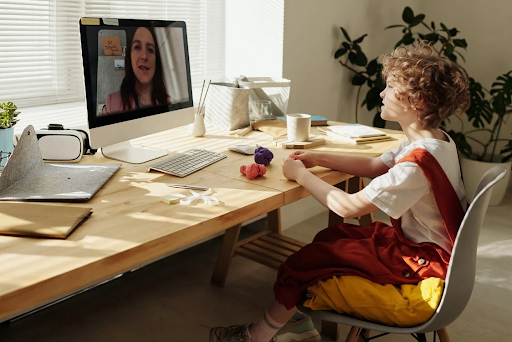
Finally, online learning can be pretty distracting for kids since so many other things are happening around them (e.g., parents working from home, siblings playing). If not managed properly, this can lead to poor focus and attention span in kids. As with anything, weighing the pros and cons before deciding if virtual learning is suitable for your child is essential. Talk to their teachers, school administrators, and other parents to get a sense of what others are doing and what has worked well in the past. Ultimately, it’s up to you to decide what’s best for your child.

In conclusion, there are both advantages and disadvantages of online education. However, the benefits outweigh the disadvantages for most students. With its flexibility, affordability, academic rigor, and use of technology, online learning is an appealing option for today’s learners.

Anne

Anne

I'm a mother of 2 who likes to get involved in too much! Besides writing here I started a non-profit, I'm on the PTO board, very active in my community and volunteer in the school. I enjoy music, reading, cooking, traveling and spending time with my family. We just adopted our 3rd cat and love them all!

More Posts

Master the Right Diet for Your Body: Tips to Find What Works for You

There is no one-size-fits-all answer when it comes to diets. What works for your friend or coworker may not work for you. That’s because each person’s body is unique and requires a different approach to dieting and nutrition. This blog post will discuss some tips for finding the right diet for your body. 

1) Talk to your doctor or a registered dietitian.

If you’re unsure where to start, the best thing to do is speak with a doctor or registered dietitian. They can help you assess your current eating habits and make recommendations for changes that will work for your individual needs. Don’t hesitate to ask questions about specific diets or foods that you’re interested in trying. They can also provide helpful resources and referrals if you need more support.


Via Pexels

2) Do some research.

A lot of information is available on the internet and in books about different diets. You may want to start by general reading about nutrition and healthy eating habits. Once you understand the basics better, you can start looking into specific diets that interest you. Be sure to read reviews from other people who have tried the diet before making any decisions. 

It’s also important to remember that not all “experts” are created equal. Make sure you’re getting your information from credible sources like registered dietitians or journals at a reputable publishing firm such as Nova Science Publishers Inc

3) Consider your goals.

Think about what you hope to achieve by starting a new diet. For example, are you looking to lose weight, gain muscle, or improve your overall health? Your goals will help you narrow down your options and find a plan that is right for you. For example, if you’re trying to lose weight, you’ll want to look for a diet that includes healthy foods and limits calorie intake. On the other hand, if you’re trying to gain muscle, you’ll need a diet high in protein and calories. 

No matter what your goals are, be sure to set realistic expectations. Diets that promise quick results are often unsustainable in the long run. Instead, it’s better to make gradual changes that you can stick with for the long haul.

4) Consider your lifestyle.

Think about your daily routine and the type of lifestyle you live. For example, do you have much time to cook meals from scratch, or do you need quick and easy recipes? Do you have any dietary restrictions? Make sure you choose a diet that fits well with your lifestyle. There’s no point in starting a diet that is impossible to stick with!

For example, if you work long hours or have a busy schedule, you might want to look for a diet that includes pre-packaged meals or frozen dinners. If you’re always on the go, make sure you choose foods that are easy to take with you and don’t require refrigeration. And if you have food allergies or intolerances, be sure to choose a diet that doesn’t include any foods that you can’t eat.

Following a diet can be difficult, but finding one that works for you is essential. These tips should help you get started on the right track. Just remember to be patient, and don’t give up if you don’t see results immediately. 

Anne

Anne

I'm a mother of 2 who likes to get involved in too much! Besides writing here I started a non-profit, I'm on the PTO board, very active in my community and volunteer in the school. I enjoy music, reading, cooking, traveling and spending time with my family. We just adopted our 3rd cat and love them all!

More Posts

5 Benefits of Going Green for Your Home

Via pexels


The world is quickly becoming more and more interested in going green, and for a good reason! There are countless benefits to making your home more environmentally friendly. This blog post will discuss five of the most important benefits of going green. From decreased energy bills to improved air quality, there are many reasons to make the switch! Keep reading to learn more.

1) Going green can help you save money on your energy bills.

One of the most common motivators for going green is saving money. And it makes sense – by using less energy, you’ll inevitably see a decrease in your energy bills. There are a number of ways to make your home more energy-efficient, from installing solar panels to investing in Energy Star appliances. Companies like Abe Issa solar will provide your home with the best solar-powered essentials on the market. No matter which route you choose, going green is sure to put some extra cashback in your pocket each month.

Via pexels


2) It can also help you save water.

Another way going green can help you save money is by decreasing your water consumption. This is important not only for your wallet but also for the environment. There are a number of ways to reduce your water usage, such as installing low-flow fixtures or collecting rainwater. Not only will you be saving money on your water bill, but you’ll also be doing your part to conserve this precious resource.

Water conservation is important for another reason – it can help reduce the strain on local water supplies. In many parts of the world, fresh water is becoming increasingly scarce. By reducing your own water usage, you can help preserve this vital resource for future generations.

3) Going green can improve your air quality.

Another important benefit of going green is that it can improve the quality of the air inside your home. This is especially important for people who suffer from allergies or asthma, as poor air quality can exacerbate these conditions. There are a number of ways to improve the air quality in your home, such as investing in an air purifier or planting some houseplants. By taking these steps, you’ll be able to breathe better – and you’ll also be doing your part to protect the environment.

4) It can help you lead a healthier lifestyle.

When you live in a green home, you’re not only helping the environment – you’re also helping yourself! Living in an eco-friendly home can lead to a healthier lifestyle. For example, if your home is well-insulated, you’ll be less likely to catch a cold or the flu. And if your air quality is good, you’ll be less likely to suffer from allergies or asthma attacks. By making some simple changes to your home, you can improve your health and wellbeing.


Via pexels

5) Reduce waste and live a more sustainable lifestyle.

Another benefit of going green is that it can help you reduce the amount of waste you produce. This is important not only for the environment but also for your wallet! There are a number of ways to reduce your waste, such as recycling or composting. By making some simple changes to the way you live, you can help make a difference in the world – and you might even save some money in the process!

As you can see, there are many benefits to going green. From saving money to improving your health, there are plenty of reasons to make your home more eco-friendly. Start making some changes today and enjoy all the benefits of going green!

Anne

Anne

I'm a mother of 2 who likes to get involved in too much! Besides writing here I started a non-profit, I'm on the PTO board, very active in my community and volunteer in the school. I enjoy music, reading, cooking, traveling and spending time with my family. We just adopted our 3rd cat and love them all!

More Posts

4 of the Best Tips to Improve Your Wellbeing

Everyone wants to be happy and feel good about themselves. However, it seems that the more we try to improve our well-being, the worse one can feel. This can happen because we are trying too hard to be perfect and be happy all the time. What you see on social media is the “aesthetic” way of working on one’s wellbeing. But you don’t need to do yoga at the beach or spend $20 on a smoothie bowl. Well-being is about working on yourself; this includes the mind, body, and soul. So, what are some ways to improve your well-being? Well, here’s everything you need to know.


Image credit 

Be More Mindful

The goal of mindfulness is to become more aware of what is happening in the present moment. Mindfulness can be achieved by focusing on the breath, a mantra, or a body sensation. The idea is to focus on one thing at a time and let go of other thoughts that may be distracting you. Mindfulness exercises can be a wonderful way to work towards improving your wellbeing!

Find Time for Self-Care Activities

With the rapid technological advancements and the increasing demands of our jobs, it is important to take some time for ourselves. Self-care activities can help you to recharge our batteries, reduce stress and prevent burnout. Self-care is not just about spending time on ourselves but also about making sure that we are healthy and well rested. Here are a few self-care tips that you can use:

1) Schedule your self-care activities in advance

2) Take some time out for yourself every day

3) Plan your day in advance so you know when you will have time for yourself

4) Take up a hobby or sport that helps you to relax

Sure, while apps like Instagram make self-care look like shopping around for Delta 9 THC and bubble baths, it’s really all about just taking care of yourself, such as eating healthy, exercising, and allowing yourself to just rest.

Get Enough Sleep & Reduce Stress

You might think that you can use up all your energy and then sleep, but the truth is that if you don’t have enough sleep, your body will produce more cortisol. This hormone raises your blood pressure and increases the risk of heart disease. Overall, work on getting seven to nine hours of sleep each night.

Exercise Regularly and Eat a Healthy Diet

Physical activity is a key component of a healthy lifestyle. It can help to reduce the risk of developing chronic diseases, such as heart disease and type 2 diabetes. It also helps with weight loss, improves mood, and increases muscle strength. This is definitely major for living a life that is more focused on wellbeing. Plus, you can’t forget about your diet either. A balanced diet is important for maintaining health in the short term and throughout life. A healthy diet includes fruit, vegetables, fish, and whole grains. This doesn’t mean you need to work out vigorously every day or that you need to eat nothing but healthy foods nonstop. But incorporating movement and healthy foods is going to be vital, though. Plus, this is a great way to promote healthy living in your family too. 

Anne

Anne

I'm a mother of 2 who likes to get involved in too much! Besides writing here I started a non-profit, I'm on the PTO board, very active in my community and volunteer in the school. I enjoy music, reading, cooking, traveling and spending time with my family. We just adopted our 3rd cat and love them all!

More Posts