Life Skills For Every Parent

                                                          Photo by Suzy Hazelwood from Pexels


We all know that it’s a good idea to be prepared for anything, but in reality, it is very easy to feel woefully unequipped to handle all the things life throws our way – especially as a parent. Sometimes being an adult is hard and while there are definitely times you need to get the plumbers in, there are other things you can do yourself. So what are the most useful life skills to have?

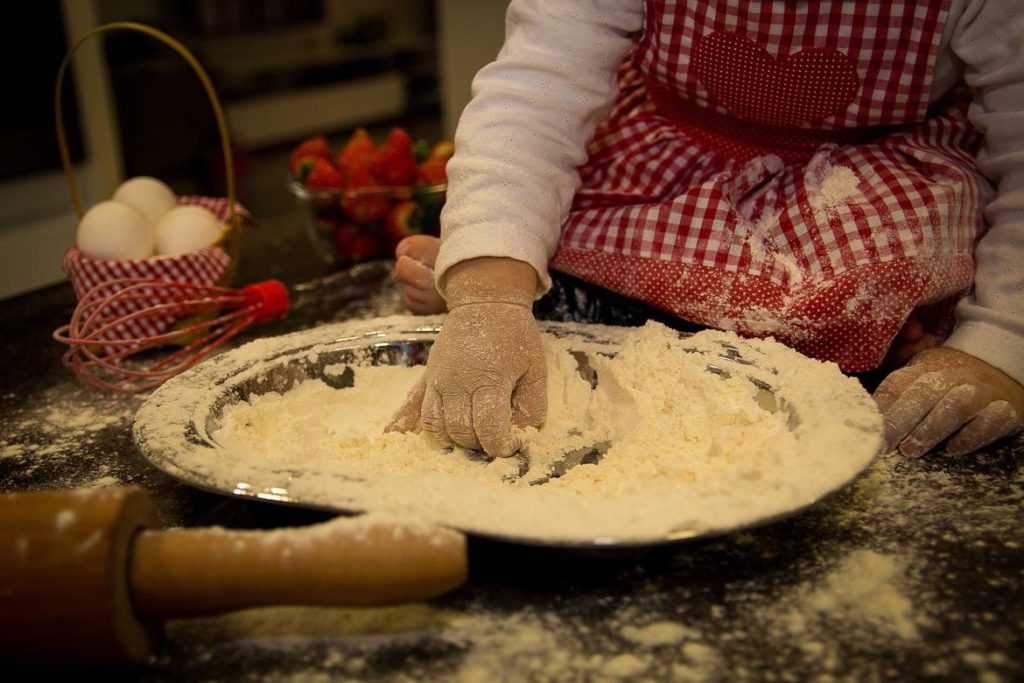
Cooking

Everyone enjoys a takeaway or a ready meal once in a while, but it’s essential to be able to make just a couple of meals for your family. All you need is a few nutritional dishes in your repertoire that you feel confident whipping up as the ability to cook a meal is a necessary life skill.

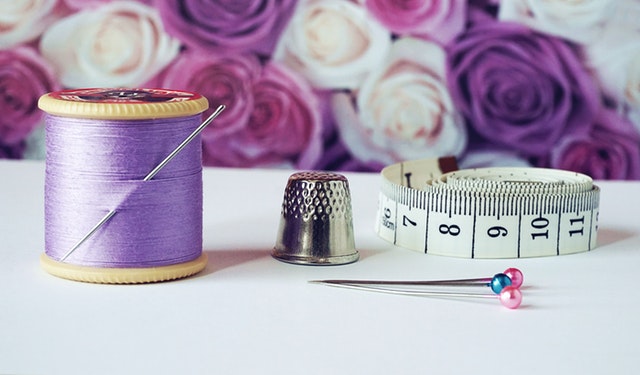
Sewing

When your child comes home with a button missing off their shirt or their trousers are too long, it makes sense to fix them quickly rather than going out and buying new. No one’s expecting you to be a skilled seamstress, making dresses out of the curtains, but it is handy to be able to fix things. Get some sewing tips online and have a practice; you never know when you might need this skill.

First Aid

As a parent, you have to be many things, and sometimes a doctor is one of them. You can pick up an essential first aid book or sign up to some CPR classes, and you’ll be able to come to any situation with a much cooler head.

Typing

While touchscreens are very commonplace now, typing is still a crucial skill to learn. Whether it’s for emails or letters or work in general, typing is now just as vital as learning to handwrite.

Driving

Many employers ask for a full, clean driving license, even if a job doesn’t need you to drive. Public transport can be so unreliable, so, by driving you’re more flexible, and there’s no need to worry about that rail strike at 8 am, plus you can ferry the kids around wherever they need to be.

Changing a tire

You will find it useful to understand essential car maintenance, even if it’s purely to keep you from getting ripped off at the repair shop. Brush up on the necessary car maintenance, so you feel comfortable when you’re behind the wheel and if something goes wrong.

Budgeting

Having the skills to budget and be financially responsible is vital in life. Whether you’re just starting to manage your finances yourself or you’re an experienced, money-saving guru, coupon-clipping expert, understanding your budget is the first step to achieving financial peace and security. It’s a skill you can learn from a very young age and one you should build on throughout your life.

So, what are you waiting for? You don’t have to master them all in one go but pick one to start with, and it could be your new hobby. When you feel confident with that one, then pick out your next, and this list could become your bucket list or things you can achieve in the next year or two.

Anne

Anne

I'm a mother of 2 who likes to get involved in too much! Besides writing here I started a non-profit, I'm on the PTO board, very active in my community and volunteer in the school. I enjoy music, reading, cooking, traveling and spending time with my family. We just adopted our 3rd cat and love them all!

More Posts

Renaissance Kids – 4 Tips for Raising Well-Rounded Children


                                                     Photo by J carter from Pexels

What does it mean, exactly, to raise a well-rounded child? According to some experts, it means giving your children a good mix of academics and people skills with a little empathy and character thrown in for good measure. It’s difficult raising kids in our all-about-me culture full of computer screens, tablets, and smartphones. For parents like you looking for ways to help your children become the best versions of themselves they can be, we’ve put together the following short list. These tips are sure to help you raise well-rounded children.

1. Encourage Your Children to be Active

Today’s technology encourages children (and adults) to be very inactive. With so much entertainment right in front of their eyes, kids are less likely than ever to get outside and be active. Young bodies need exercise, and as a good parent, it’s your duty to encourage your youngsters to put down their devices and get moving.

An activity that many kids find fun is swimming. If your child doesn’t know how to swim, consider enrolling your family in swimming lessons for adults and kids. Since swimming is such a low-impact activity, kids don’t even realize their exercising. All they know is that they’re having fun!

2. Let Your Child Find His Own Passions

It’s common for parents to push their kids, especially when it comes to things you’re passionate about. However, it’s important to remember that just because you enjoy something doesn’t mean your child will too.

Let your kids figure out what they love to do – be it playing a particular sport or writing poetry. Whatever they discover they love to do and are good at, be encouraging and be proud. Their passions may not be yours, but they’re passions all the same.

3. It’s Okay to Let Them Quit – Sometimes

Quitting is often associated with failure, but that isn’t always true. For instance, when your kids are young, it’s important to expose them to many options so they can figure out what they like to do. If your son is begging you to play tee-ball but then, after just three practices, realizes he doesn’t like it, it’s okay to let him quit and move on to something else.

If you have older children, however, it’s important to teach them that quitting isn’t an option if they’ve committed to something that affects others. For example, if your daughter is part of a baseball team and wants to quit mid-season, she needs to know that quitting isn’t an option since her team is counting on her to do her part. Be sure she understands this before she commits to the team so she’s less likely to want to bow out early.

4. Offer the Right Kind of Praise

Praise is a powerful tool as it helps build character. Unfortunately, many parents have taken praise to a new materialistic level. Kids want to do well. They love to hear they’ve done a great job. Verbal praise is all that’s needed to let your child know they’ve made you happy. Don’t resort to gifts or treats when your child does well. Instead, offer an exuberant high-five or a few words of encouragement to keep them striving to do their best.

Raising well-rounded kids is simultaneously harder and simpler than you think. You go into the whole parenting thing with high expectations but soon discover that it takes a lot of effort on your part to grow those precious babies into people you can be proud of. Use the tips above to help ensure you’re raising well-rounded kids.


Anne

Anne

I'm a mother of 2 who likes to get involved in too much! Besides writing here I started a non-profit, I'm on the PTO board, very active in my community and volunteer in the school. I enjoy music, reading, cooking, traveling and spending time with my family. We just adopted our 3rd cat and love them all!

More Posts

Mini Master Chefs – 6 Essential Kitchen Skills to Teach Your Kids

Image by laridra from Pixabay


There is no age limit for a good cook. Children are now competing in televised cooking, and baking competitions creating dishes and treats that many adults could never assemble. If you don’t need a mini Master Chef but would like to get your child more comfortable in the kitchen, below are six essential skills you can teach them.

1. How to Use the Stove

Your child may have been fascinated by the stove since they were a toddler, but around age six you can start teaching them how to cook with it. Help your child with turning the stove on and off and explain the various levels of heat available. While you are there, make sure to enlighten them about the correct position of handles so that they avoid heating them up or knocking them over. When they start cooking, increase the odds of a successful meal by providing the best cookware available.

2. Measuring Ingredients

Learning how to measure ingredients correctly is something some adults have never done, but an essential skill if you want to teach your child how to follow a recipe accurately. Liquids are measured in a different way than dry ingredients, and some ingredients you pack down into a measuring spoon while you gather others lightly. You can begin to demonstrate how to measure each component when your children are as little as three.

3. Knife Skills

It is essential that children not only understand how a knife should be used but also develop the appropriate respect for the tool. At about age five, you can begin to teach your child how to hold a soft fruit such as a banana with a claw-like grip to keep their fingers out of the way while cutting with a forward-rocking motion. During your training sessions, you can also explain how knives should be carried and by whom they should be used.

4. Meal Planning

Help your child get a healthy understanding of food by allowing them to plan meals as early as seven years old. Explain that a meal needs to include a source of protein, a type of carbohydrate and a vegetable or fruit, then allow them to assemble their own lunch to start with. As they become more comfortable with the concept and grow older, challenge them to plan a meal for your family.

5. Grating, Zesting, Kneading, Folding

By age 8 kids should be able to distinguish between the types of actions a recipe calls for and perform them safely with the required tools. Work with them through both cooking and baking, asking them what the different instructions mean and how to perform them. The more repetition, the better.

6. Recipe Math

Around the age of 12, your child should be comfortable with math concepts like addition, multiplication, and fractions. Invite your little math whiz into the kitchen to help you double a cookie recipe and practice all of the different math equations that challenge contains. Once they feel comfortable, try cutting a recipe in half. Teaching your child that recipes are not static will allow them to become more adventurous as they approach recipes because they will understand that they are flexible.

Your child may never aspire to be the next Master Chef, but that doesn’t mean they can’t be competent in the kitchen. Don’t be afraid to show them how to use the stove, measure ingredients, perform the various actions a recipe calls for, and the correct way to use a knife. If you encourage them to plan meals early and help you with recipe math, they will be unstoppable!

Anne

Anne

I'm a mother of 2 who likes to get involved in too much! Besides writing here I started a non-profit, I'm on the PTO board, very active in my community and volunteer in the school. I enjoy music, reading, cooking, traveling and spending time with my family. We just adopted our 3rd cat and love them all!

More Posts

A Beginner’s Guide To Motorcycle Parts

If you want to know more about motorcycles then it is important that you have basic knowledge regarding the mechanics of how one operates. The more you know, the better equipped you will be to understand how to ride a motorcycle and how to look after one as well. You will then have the knowledge to determine when a problem arises and you will have a better indication of where the issue is steaming from, and so on and so forth. The best way to begin to get to grips with motorcycles is to learn about the different parts. Through doing this you will thoroughly understand how everything operates together in order to result in the fantastic motorcycles and consequent races you get to witness today.


https://pixabay.com/photos/bmw-vehicle-ride-bike-journey-1313343/


So let’s discover the different parts found in motorcycles today. All motorcycles tend to contain the same main parts; there may be a few tweaks here and there. Nonetheless, the differentiation in motorcycle parts tends to lie within the diverse brands used. First and foremost, you have the clutch. This releases your motorcycle – exactly as you would find in a car. Where the difference lies is within the cylinders. There is a variation between the numbers of cylinders used in a motorcycle; this can range from anything as little as one to anything as big as six.

One of the main areas of your attention needs to be the suspension. This is responsible for ensuring that your motorcycle runs smoothly and feels right. A lot of people find that when they go to see a mechanic this is where they need aid. After all, there are several different factors that can affect the suspension. It’s also a crucial part for motorcycling, especially racing. Without a good suspension performance automatically falters and safety can be affected also.

One important component that simply cannot be ignored is the brakes. It’s likely that you all know a brake is used to stop your motorcycle. Nonetheless, it does so in a safe manner; via slowing down the motorcycle until a gradual stop is reached. If you immediately stopped then you’d fly off the bike, if you were to stop too quickly then you would end up jilting and bumping. To give further insight into your motorcycle brakes, you have one responsible for your front wheel and another that is responsible for your back wheel. Although they are two separate components and have their own operation process, they still work together in order to provide you with optimum safety. Contact Robinette Law or a legal firm like this if there has been a problem with your brakes that has caused a crash. You may be eligible for some compensation.

And last but not least, let’s concern ourselves with the basics regarding the utilisation of a motorcycle. You will have the throttle; this increases the speed of your bike. You then have the handlebar, and this helps you to move the motorcycle in the right direction so that you get where you are supposed to be going.

So there you have it; the very basics regarding the different parts found within a motorcycle. It’s important you have this knowledge so that you can be best equipped to deal with any issue that may be occurring.


Anne

Anne

I'm a mother of 2 who likes to get involved in too much! Besides writing here I started a non-profit, I'm on the PTO board, very active in my community and volunteer in the school. I enjoy music, reading, cooking, traveling and spending time with my family. We just adopted our 3rd cat and love them all!

More Posts

Summer is Coming: Holiday Fun the Whole Family Will Enjoy

Now that May is officially upon us, we can safely start to plan our summer holidays without feeling premature. There are still some great deals out there, after all, and particularly if you plan on vacationing in August rather than the middle of July.


Image via: Pexels


The only problem with these family holidays is, of course, the endless moans about being bored unless you’re constantly keeping your kids entertained.

While it might be tempting to just hand them an iPad each and call it a day, you’d still like them to experience the kind of summer you used to have as a kid; you know, the one where you laid by the river for hours, getting slightly sunburned and eating ice cream all day.

Luckily, there are ways to accomplish this without having to ruin your own hours of relaxation this holiday. Here is a handful of fun family activities that will keep your kids entertained and give you the cookie points you need to enjoy a full afternoon without any nagging.

First: Relaxing the rules a little

A part of leaving work busy work-mind behind means that you should also try to leave your busy parent-mind behind slightly. Of course, you’re still the parent and in charge regardless of any holidays, but it’s good for everyone to feel that the rules are a bit more flexible once in a while.

Allow your children to go to bed a little bit later, for example, let them have that extra ice cream if they want it, and try to wake up in the morning without having an agenda for the day. It gives you that sense of freedom you crave in your everyday-lives and makes the whole holiday-vibe a lot nicer.

Wake up a bit later, spend the entire day by the pool and go to bed a few hours later than usual – it will make it feel a lot more like a holiday.

Next: Spending the afternoon in a boat

It’s summer, after all, and you’re not going to feel like you experienced it fully if you spend every waking hour in the hammock with a book – however tempting it may be. Try to find some family fun that you will enjoy just as much as the kids; being out in the water is definitely one of those and it’s something your kids will remember as they grow up.

You can start by checking out some local boat rentals or even a yacht Miami rental site if you have some extra money to burn. That way, you might be able to make a proper boat trip out of it and the kids will definitely have something to tell their friends about when they’re back home.

Try to think about everything that you enjoy doing that the kids will also enjoy – and that will get them to spend some of that energy they’ve got bundled up. Go on a hike, for example, see the scenery and give them a sense of adventure at the same time.

While watching movies and browsing the web are great activities for when you’d like to unwind, your children will definitely get restless and rowdy with time; get out there, experience the surroundings together, and they’ll be soundly asleep so that you can enjoy the evening a bit.


Anne

Anne

I'm a mother of 2 who likes to get involved in too much! Besides writing here I started a non-profit, I'm on the PTO board, very active in my community and volunteer in the school. I enjoy music, reading, cooking, traveling and spending time with my family. We just adopted our 3rd cat and love them all!

More Posts